How to Measure Yourself for Perfect Online Clothing Fit
When shopping for clothing online, finding the right fit can be a challenge. Unlike in a physical store, you cannot try items on before buying, which often leads to uncertainty and potential returns. One effective approach to improve the likelihood of a good fit is to take accurate body measurements at home. This process involves using a simple tape measure and following consistent techniques to record your chest, waist, and hip circumferences. By understanding how to measure yourself correctly, you can compare your numbers with the size charts provided by different brands and make more informed decisions.
The importance of accurate measurements extends beyond just finding the right size. It also helps in understanding how different brands and styles may fit your unique body shape. Since sizing standards can vary widely between manufacturers, relying solely on a usual size label may not always yield the desired result. Taking the time to measure yourself ensures that you have a reliable reference point for each purchase. This article outlines the steps for measuring your chest, waist, and hips, and explains how to use that information effectively when shopping online.
While no method can guarantee a perfect fit every time due to variations in fabric, cut, and personal preference, accurate measurements significantly reduce the guesswork. They provide a solid foundation for comparing your dimensions with brand-specific size guides. As you become more familiar with your measurements and how they relate to different brands, you can navigate online shopping with greater confidence. ThreadWise encourages a methodical approach to measuring and size comparison, emphasizing transparency and informed decision-making.
Understanding Body Measurements and Their Importance
Body measurements are the key to unlocking a better online shopping experience. They are not just numbers; they represent your unique proportions and serve as a tool for translating those proportions into garment sizes. When you measure your chest, waist, and hips, you are capturing the primary areas that determine how a garment will drape and fit. These three measurements are commonly used by clothing brands to define their size ranges, making them essential for any online purchase.
However, it is important to recognize that measurements alone do not tell the whole story. Fit is also influenced by factors such as body shape, personal preference for looseness or tightness, and the design of the garment itself. For instance, a brand might design a shirt with a slim cut that fits differently from a relaxed fit, even if the chest measurement is the same. Therefore, using your measurements in conjunction with brand size charts and style descriptions can provide a more comprehensive picture.
Moreover, taking measurements periodically is advisable because body dimensions can change over time due to factors like weight fluctuations, muscle gain, or even posture changes. Relying on outdated measurements may lead to inaccurate size selections. By refreshing your measurements every few months or before a significant purchase, you ensure that your reference data remains current. This practice aligns with a proactive approach to online shopping, where accuracy and attention to detail are prioritized.
Tools and Preparation for Accurate Measuring
Before you begin measuring, gather the necessary tools and set up a suitable environment. The primary tool you will need is a flexible tape measure, typically made of soft material that can easily wrap around body curves. A cloth tape measure is ideal, as it conforms to your body without compressing the tissue. If you do not have a tape measure, you can use a piece of string or ribbon and then measure it against a ruler, though this method may be slightly less precise. Additionally, having a mirror, a notebook, and a pen or pencil on hand will help you record your measurements accurately.
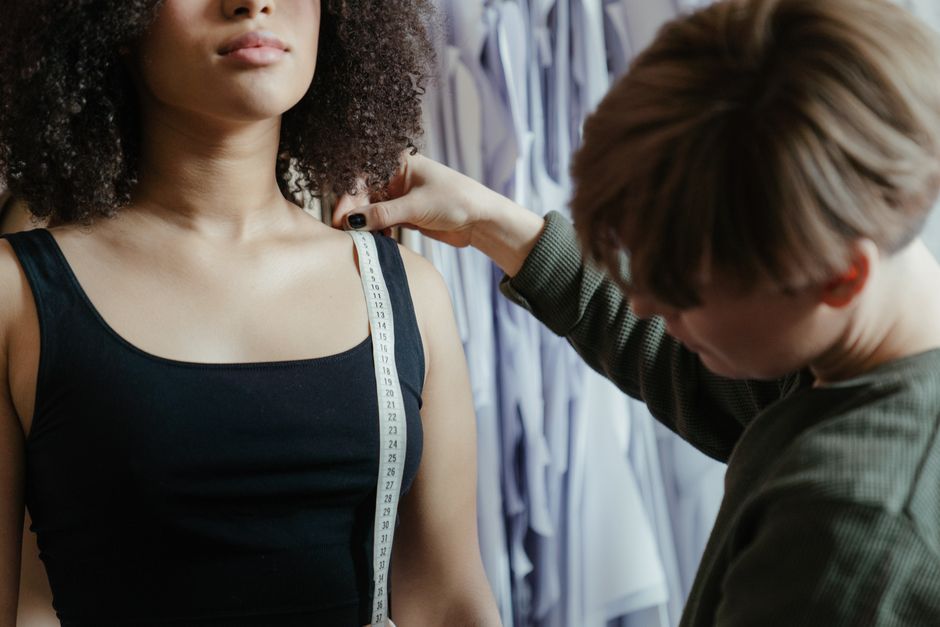
It is also important to wear minimal clothing or form-fitting garments when measuring. Bulky clothing can add extra inches and skew your results. A thin shirt and leggings or underwear are usually sufficient. If you are measuring yourself, stand in front of a full-length mirror to ensure the tape is level and not twisted. For the most accurate results, consider asking someone else to take the measurements for you, as they can easily see if the tape is positioned correctly. However, if you are measuring alone, the mirror will help you verify the tape’s placement.
Finally, ensure that the tape measure is not too tight or too loose. It should lie flat against your body without causing indentation. You should be able to slip a finger under the tape for a comfortable fit. Consistency in tension is key; pulling the tape tighter in one measurement and looser in another will lead to inconsistencies. Take each measurement twice to confirm accuracy, and average the numbers if they differ slightly. This preparation sets the stage for reliable data that you can trust when comparing with size charts.
Step-by-Step Guide to Measuring Chest, Waist, and Hips
Measuring your chest, waist, and hips requires a systematic approach. Follow these steps carefully to ensure accuracy. Remember to keep the tape measure parallel to the floor and not twisted.
Measuring Your Chest
To measure your chest, wrap the tape measure around the fullest part of your chest, typically across the nipples. Ensure the tape is level all the way around your back. Keep your arms relaxed at your sides, and breathe normally. Do not puff out your chest or hold your breath, as this can alter the measurement. The tape should be snug but not tight. Record the number in inches or centimeters, depending on the size chart you will use. For women, this measurement is often referred to as bust size, while for men, it is simply chest size. If you are measuring for a bra, you may also need to measure your underbust, but for general clothing, the fullest part is sufficient.
Measuring Your Waist
Your waist is located at the narrowest part of your torso, usually just above your belly button. To find it, bend to one side; the crease that forms is your natural waistline. Wrap the tape measure around this area, keeping it parallel to the floor. Again, ensure the tape is snug but not compressing your skin. Relax and exhale normally before taking the measurement, as holding your breath can make your waist appear smaller. This measurement is crucial for pants, skirts, and dresses. Note that some brands may use a different definition of waist, such as the area where you typically wear your pants, so always refer to the brand’s specific instructions.
Measuring Your Hips
To measure your hips, stand with your feet together and wrap the tape measure around the fullest part of your hips and buttocks. This is usually about 7 to 9 inches below your natural waist. Ensure the tape is level and not twisted. Keep your legs straight and relaxed. The tape should be snug but not tight. This measurement is important for bottoms such as pants, skirts, and dresses, as it determines whether the garment will fit comfortably over your hips and thighs. Record this number along with your chest and waist measurements.
Comparing Your Measurements with Brand Size Charts
Once you have your chest, waist, and hip measurements, the next step is to compare them with the size charts provided by different brands. Size charts are typically found on the product page or the brand’s website. They list numerical measurements corresponding to each size (e.g., small, medium, large) or numeric sizes (e.g., 4, 6, 8). It is important to note that size charts can vary significantly from one brand to another, so never assume you are the same size across all brands.
Start by locating the size chart for the specific brand and item you are interested in. Compare your measurements to the chart, and find the size that aligns most closely with your numbers. If your measurements fall between two sizes, consider the fit of the garment. For a looser fit, you might choose the larger size; for a tighter fit, the smaller size. However, keep in mind that personal preference and garment style play a role. Additionally, some brands offer a size guide that includes body measurements rather than garment measurements, so pay attention to which type you are viewing.
If the size chart provides measurements in inches and you measured in centimeters, convert your measurements accordingly. Many online tools and conversion charts are available for this purpose. It is also helpful to read customer reviews, as they often mention whether an item runs true to size, small, or large. This information can supplement the size chart and provide real-world insights. ThreadWise suggests keeping a record of your measurements and the sizes that fit well in different brands to streamline future purchases.
Tips for Reducing Returns and Ensuring a Better Fit
While accurate measurements are a cornerstone of successful online shopping, several other practices can help reduce the likelihood of returns. First, always check the brand’s specific size chart and fit notes. Some brands may indicate if an item is designed for a relaxed or tailored fit. Second, consider the fabric and stretch. Materials with elastane or spandex may accommodate a range of sizes, while rigid fabrics like denim or linen have less give. Third, read return policies before purchasing, so you know your options if the fit is not right.
Another tip is to look for brands that offer detailed size information, such as garment measurements (e.g., chest width, length) in addition to body measurements. This allows you to compare the garment’s dimensions with a similar item you already own and love. If you are unsure, you can also contact customer service for guidance. Some brands, like ThreadWise, may provide resources or tools to assist with sizing. Finally, keep a personal size log, noting which brands and sizes fit you well, and update it as needed. Over time, this log becomes a valuable reference that saves time and reduces uncertainty.
“Taking the time to measure yourself accurately is an investment in a more enjoyable online shopping experience. It transforms guesswork into a informed decision.”
In conclusion, measuring yourself for online clothing fit is a straightforward process that yields significant benefits. By understanding how to measure your chest, waist, and hips correctly, and by comparing those measurements with brand-specific size charts, you can make more informed choices. While no method can guarantee a perfect fit every time, this approach minimizes the risk of returns and enhances satisfaction. Remember to measure periodically, use the right tools, and consider the nuances of each brand’s sizing. With practice, you will develop a reliable system for finding clothes that fit well and look great.