Building a Capsule Wardrobe with Neutral Colors
Building a capsule wardrobe centered on neutral colors is a methodical approach to simplifying daily dressing while maintaining a range of outfit possibilities. The concept revolves around selecting a limited number of versatile garments in black, white, and beige, then using texture and layering to create visual interest. This process does not guarantee a fixed number of outfits or specific style outcomes, as individual preferences, lifestyle, and climate influence the final composition. Instead, it offers a framework for evaluating clothing choices based on interchangeability and long-term utility.
The appeal of neutral tones lies in their compatibility: they can be mixed and matched with minimal risk of clashing. However, the success of such a wardrobe depends on understanding fabric textures, silhouette balance, and personal proportions. This article outlines a process-oriented approach to building a capsule wardrobe, focusing on selection criteria, maintenance, and the role of texture. It is intended as an informational guide, not a prescriptive set of rules. The methods described may be adapted to different contexts, and ThreadWise suggests considering them as starting points for individual experimentation.
Before delving into specifics, it is important to recognize that a capsule wardrobe is not a one-time project but an ongoing practice. It involves periodic evaluation and adjustment as needs change. The following sections explore key considerations: defining a core palette, choosing foundational pieces, incorporating texture, and maintaining the wardrobe over time. Each section provides context and examples, allowing readers to make informed decisions based on their circumstances.
Defining a Core Palette of Black, White, and Beige
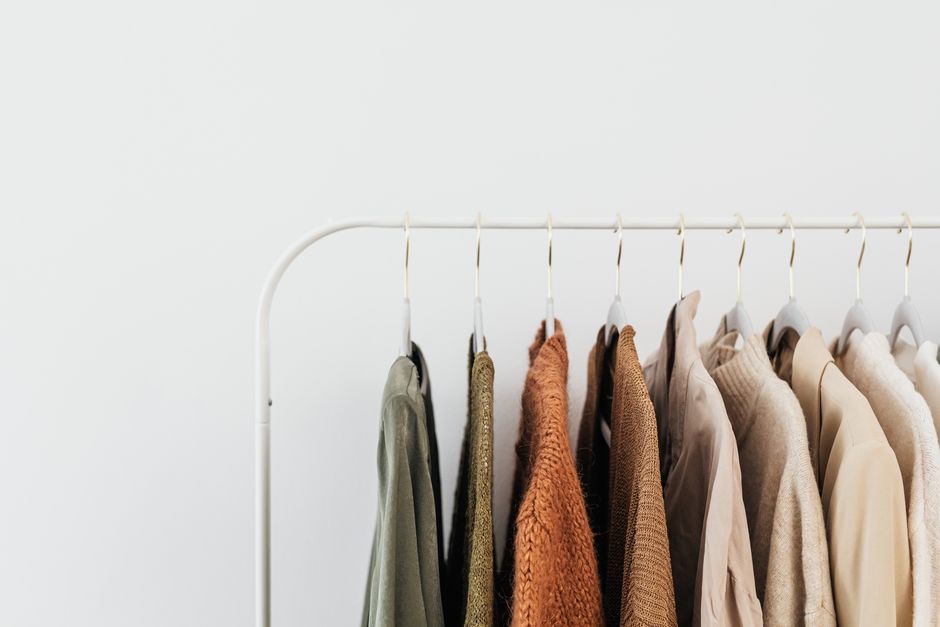
A core palette of black, white, and beige serves as the foundation for a capsule wardrobe because these colors are inherently neutral and widely available in various fabrics and styles. Black offers depth and can serve as a grounding element, while white provides contrast and lightness. Beige, ranging from cream to taupe, bridges the two and adds warmth. Together, they form a flexible base that can accommodate accent colors if desired, though the focus remains on the neutrals themselves.
When selecting specific shades, consider undertones. Black can vary from jet to soft charcoal, and white may be bright or off-white. Beige encompasses a spectrum from cool gray-beige to warm sand. The goal is not to match every piece perfectly but to create a cohesive range that allows for layering. For example, an off-white shirt may pair well with both black trousers and a beige cardigan. Testing combinations in natural light can help determine which shades work harmoniously.
The proportion of each color in the wardrobe may vary based on personal preference and practical needs. Some individuals may prefer a dominant black base, while others might lean toward lighter neutrals. There is no single correct ratio; the key is to ensure that each piece can be worn with multiple others. This reduces the likelihood of orphan items that do not integrate into outfits. As a general guideline, aim for a balanced distribution that reflects your daily activities and climate.
It is also useful to consider the role of each color in different seasons. Black absorbs heat and may be less comfortable in hot weather, while white reflects light and can be more suitable for summer. Beige offers year-round versatility. By planning ahead, you can adjust the palette to include weights and fabrics appropriate for the season. This approach does not promise comfort in all conditions but provides a logical basis for selection.
Selecting Versatile Foundational Pieces
The next step involves choosing specific garments that form the backbone of the capsule wardrobe. Versatility is the primary criterion: each item should be able to serve multiple roles and pair with numerous other pieces. Common categories include tops, bottoms, outerwear, and footwear. Within each category, neutral colors and simple designs enhance interchangeability. For instance, a black blazer can be worn over a white t-shirt with beige trousers for a semi-formal look, or with denim for a casual setting.
When evaluating potential pieces, consider fabric, fit, and construction. Natural fibers such as cotton, wool, and silk often provide durability and comfort, though synthetics can offer easy care. Fit should allow for ease of movement and layering without being overly loose or tight. Construction details like seams and buttons affect longevity. These factors contribute to how well a piece integrates into the wardrobe over time.
A practical method is to list activities and dress codes you encounter regularly, then identify garments that meet those needs. For example, if you work in an office, you might prioritize collared shirts, tailored pants, and closed-toe shoes. If you frequently engage in casual outings, t-shirts, jeans, and sneakers may be more relevant. The goal is to cover the majority of situations with a minimal number of items, recognizing that special occasions may require additional pieces outside the capsule.
It is helpful to create a visual inventory or use a wardrobe planning tool to track combinations. ThreadWise notes that some individuals find it beneficial to photograph outfits or use apps, but this is optional. The process is iterative: start with a small set, wear them, and note any gaps or redundancies. Adjustments can be made gradually, avoiding the pressure to perfect the wardrobe immediately.
Incorporating Texture to Add Visual Interest
While neutral colors provide a cohesive base, texture prevents the wardrobe from appearing flat or monotonous. Texture refers to the surface quality of fabrics, such as smooth, ribbed, woven, or fuzzy. Mixing textures within a single outfit can create depth and complexity without introducing additional colors. For example, a smooth silk blouse paired with a chunky knit cardigan and tailored wool trousers offers visual contrast while staying within the neutral palette.
Common texture combinations include matte with shiny, rough with smooth, and thick with thin. These contrasts can be subtle or pronounced, depending on preference. In practice, a leather jacket over a cotton t-shirt and denim jeans introduces three distinct textures. Similarly, a beige cashmere sweater with black leather leggings and a white cotton shirt layers different surfaces. The aim is not to overwhelm but to add interest through varied tactile qualities.
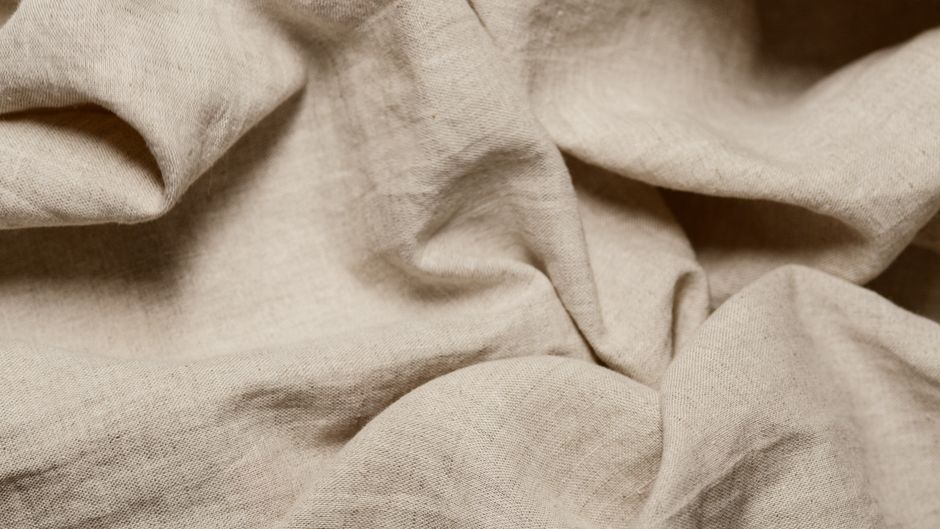
When building the capsule, consider the texture of each piece and how it might interact with others. Fabrics like linen, tweed, and corduroy offer natural texture, while knits and weaves add dimension. Accessories such as scarves, belts, and bags can also introduce texture. However, the focus remains on the garments themselves, as they form the core of the wardrobe.
It is important to note that texture can affect drape and comfort. Heavier textures may add bulk, while lighter ones may be more breathable. Balancing these factors ensures that outfits are both visually appealing and practical. Experimentation with layering can reveal unexpected combinations, but there is no guarantee that every attempt will be successful. The process encourages observation and adjustment.
Maintaining and Evolving the Capsule Wardrobe
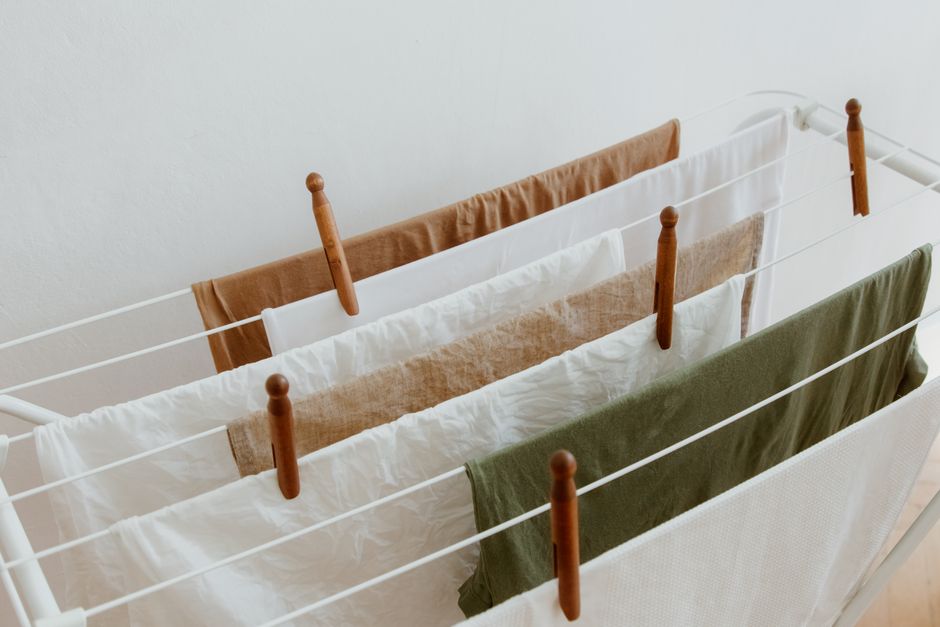
A capsule wardrobe requires ongoing maintenance to remain functional. This includes regular care such as washing, repairing, and storing garments properly. Following care labels and using appropriate techniques can extend the life of clothing. For example, wool items may need gentle washing or dry cleaning, while cotton can often be machine washed. Proper storage, such as hanging or folding, prevents damage and keeps items accessible.
Periodically review the wardrobe to assess what is working and what is not. Ask questions like: Which pieces are worn most frequently? Are there items that never get worn? What gaps exist? This review can be done seasonally or as needed. Based on findings, you may decide to remove items that no longer serve a purpose, replace worn-out pieces, or add new items that fill a specific need. The goal is to maintain a functional set that aligns with current lifestyle.
Evolution is natural as preferences and circumstances change. A capsule wardrobe is not static; it can adapt over time. For instance, a change in job or climate may necessitate different pieces. ThreadWise suggests approaching these transitions with a flexible mindset, allowing the wardrobe to grow and shrink as appropriate. There is no requirement to adhere to a fixed number of items or a specific timeline.
Finally, consider the environmental and ethical aspects of clothing choices. Selecting durable, well-made garments and caring for them properly can reduce waste. However, this is a personal decision and not a mandatory component of the capsule approach. The primary focus remains on creating a versatile, neutral-based wardrobe that simplifies dressing and reduces decision fatigue.
“The capsule wardrobe is a tool for intentional dressing, not a rigid rulebook. Its success depends on how well it serves the individual’s daily life.”